

Brain Aneurysm Clipping and Coiling
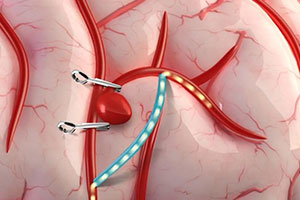
What is Brain Aneurysm Clipping and Coiling?
Brain aneurysm clipping and coiling are two medical procedures used to treat a brain aneurysm.
A brain aneurysm is a bulging, weakened area in the wall of an artery in the brain. Over time, the pressure of blood flow can cause the weakened wall to balloon out, forming a sac-like structure. If this ruptures, it can lead to bleeding into or around the brain - a life-threatening condition known as subarachnoid hemorrhage (SAH). Aneurysms can develop anywhere in the brain, but they usually form at the base of the skull.
In a brain aneurysm clipping, the surgeon places a small metal clip at the base (neck) of the aneurysm to stop blood flow into it. In a brain aneurysm coiling, a catheter is guided through blood vessels to the aneurysm, and tiny platinum coils are placed inside it to promote clotting and block blood flow.
Both methods aim to prevent aneurysm rupture, and the choice depends on aneurysm size, location, shape, and the patient’s overall health.
What are the Indications for Brain Aneurysm Clipping and Coiling?
Brain aneurysm clipping or coiling is recommended for aneurysms at high risk of rupture or those that have already ruptured. Indications include large or growing aneurysms, symptomatic aneurysms causing headaches or nerve compression, aneurysms with irregular shape or wide neck, aneurysms in high-risk locations, and patients with a family history of aneurysm rupture.
How Should I Prepare for Brain Aneurysm Clipping and Coiling?
Preparation includes detailed brain imaging (CT, MRI, or angiography), blood tests, and a medical evaluation. You may be asked to stop certain medications, especially blood thinners. Fasting before the procedure is required. Inform your doctor about allergies, existing medical conditions, and current medications. Follow all pre-procedure instructions carefully to reduce risks and ensure a safe outcome.
What to Expect During Brain Aneurysm Clipping and Coiling?
You will be under anesthesia and closely monitored throughout the procedure. Advanced imaging guides both procedures.
Brain aneurysm clipping involves open surgery with a longer operating time. In this procedure, a small section of the skull is opened to access the brain. The neurosurgeon carefully locates the aneurysm and places a tiny metal clip across its neck to stop blood flow into it. The skull is then closed.
Brain aneurysm coiling is a minimally invasive, endovascular procedure. A catheter is inserted through an artery in the groin or wrist and guided to the brain’s blood vessels. Soft platinum coils are released into the aneurysm, causing it to clot and preventing blood from entering.
Both procedures are designed to isolate the aneurysm from normal circulation and reduce the risk of rupture.
What Does Postoperative Care and Recovery for Brain Aneurysm Clipping and Coiling Involve?
Following the procedure, patients are closely observed in the ICU for blood pressure control, neurological status, and signs of bleeding or vasospasm. Pain, nausea, and headaches are managed with medications. Imaging studies may be done to confirm successful treatment.
Recovery time varies with clipping usually requiring a longer hospital stay and recovery period, while coiling often allows faster recovery. Gradual return to normal activities, follow-up scans, and adherence to medications and lifestyle advice are essential for long-term safety.
What are the Risks and Benefits of Brain Aneurysm Clipping and Coiling?
Benefits: Both procedures effectively prevent aneurysm rupture or re-bleeding, reduce the risk of brain hemorrhage, and improve long-term survival. Clipping offers a durable, permanent solution, while coiling is minimally invasive with faster recovery.
Risks: Possible risks include bleeding, stroke, infection, blood vessel injury, brain swelling, or recurrence of the aneurysm (more common with coiling).