

Brain Procedures
-
Brain Tumor Surgery
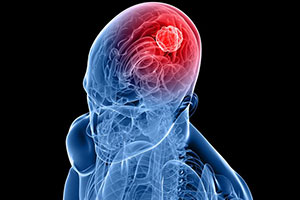
Surgery is usually the preferred treatment when a patient is diagnosed with a brain tumor. It involves the surgical removal of the tumor from the brain either completely or partially. It is usually the treatment of choice for benign (non-cancerous) and malignant (spreading) tumors that can be removed without damage to the surrounding structures.
-
Gamma Knife Radiosurgery
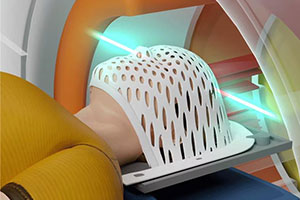
Gamma knife radiosurgery is a special non-operative procedure that uses focused beam gamma radiation directed towards your head to treat brain abnormalities such as vascular malformations (defects in the blood vessels supplying the brain) and tumors such as meningiomas.
-
Skull Base Surgery
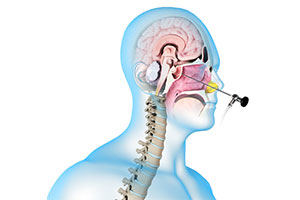
Skull base surgery is a specialized field of surgery that focuses on treating various conditions and tumors located at the base of the skull. This area is complex and houses vital structures such as blood vessels, nerves, and important brain structures.
-
Minimally Invasive Endoscopic Neurosurgery
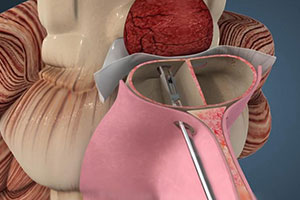
Minimally invasive endoscopic neurosurgery is a surgical procedure for the treatment of brain tumors and certain spine disorders such as herniated discs and compression fractures. It is performed through tiny incisions with the help of an endoscope, a flexible tube that contains a light source and tiny camera to capture detailed images of the internal tissues and blood vessels.
-
Endoscopic Brain Surgery
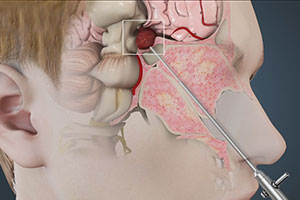
Endoscopic brain surgery, also known as endoscopic cranial surgery, is a minimally invasive procedure to identify and treat abnormal conditions deep within the brain. The procedure may be performed through one or two small incisions on the skull or another opening of your body such as the nostrils.
-
Deep Brain Stimulation
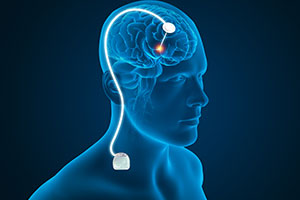
Deep brain stimulation (DBS) is a neurosurgical procedure performed to control and manage abnormal brain activity symptoms associated with a number of neurological conditions. The procedure involves placement of electrodes into the targeted areas of the brain. These electrodes create electrical signals that regulate abnormal brain activity.
-
Minimally Invasive Brain Surgery
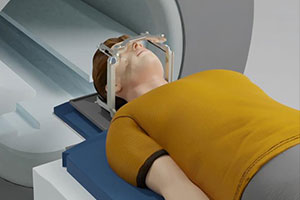
Minimally Invasive Brain Surgery refers to advanced neurosurgical techniques that treat brain conditions through very small incisions or natural openings, using tools such as endoscopes, lasers, or robotic instruments, thereby minimizing disruption to healthy brain tissue.
-
Brain Aneurysm Clipping and Coiling
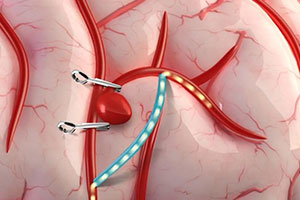
Brain aneurysm clipping and coiling are two medical procedures used to treat a brain aneurysm. A brain aneurysm is a bulging, weakened area in the wall of an artery in the brain. Over time, the pressure of blood flow can cause the weakened wall to balloon out, forming a sac-like structure.
-
Ventriculoperitoneal (VP) Shunt Placement
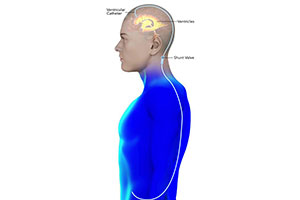
A ventriculoperitoneal (VP) shunt is a medical device used primarily to treat an abnormal brain condition called hydrocephalus. Hydrocephalus is a condition characterized by excessive accumulation of cerebrospinal fluid (CSF) in and around the brain that causes swelling and affects normal brain function. CSF is the fluid that surrounds the brain and the spinal cord.
-
Endoscopic Odontoidectomy
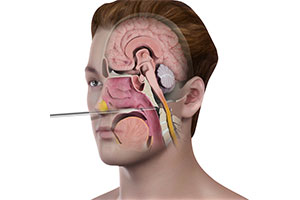
Endoscopic odontoidectomy is a minimally invasive neurosurgical procedure used to remove the odontoid process (dens) - a small bony projection of the second cervical vertebra (C2) - when it compresses the brainstem or upper spinal cord. The surgery is typically performed using an endoscope, most often through the nose (endoscopic endonasal approach) or occasionally through the mouth.
-
Benign Brain Tumors
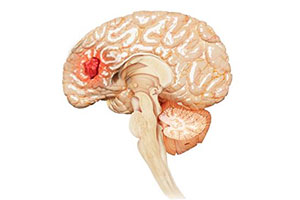
A brain tumor is the growth of abnormal cells in the brain. When most normal cells grow old or get damaged, they die, and new cells take their place. Sometimes this process goes wrong; new cells form when the body does not need them, and old or damaged cells do not die as they should. The buildup of extra cells often forms a mass of tissue called a growth or tumor.
-
Spinal Cord Tumors
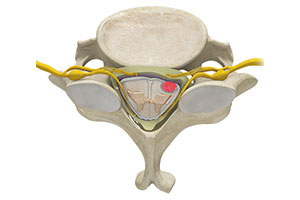
A spine tumor is an abnormal and uncontrolled growth of tissues or cells in and around the spinal cord. Tumors can either be cancerous (malignant) or non-cancerous (benign). Tumors that begin in the spine are called primary spinal tumors. Tumors that spread to the spine from other parts such as the breast, prostate, lung, and other areas are called secondary spinal tumors.
-
Brain Metastases
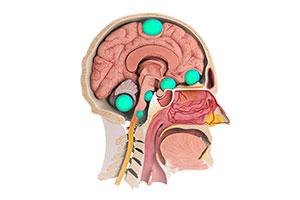
Brain metastases are malignant tumors (abnormal mass of tissue) that initiate as cancer elsewhere in the body and spread (metastasize) to the brain. These tumors are a commonly feared complication of cancers of the lung, breast, skin, thyroid, colon, and kidney. Metastatic brain tumors occur much more frequently than primary brain tumors.
-
Brain Tumor
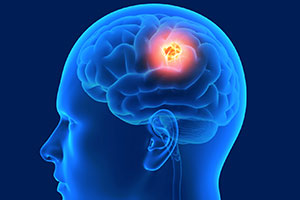
A brain tumor is the growth of abnormal cells in the brain. When most normal cells grow old or get damaged, they die, and new cells take their place. Sometimes, this process goes wrong. New cells form when the body does not need them, and old or damaged cells do not die as they should. The buildup of extra cells often forms a mass of tissue called a growth or tumor.