Spine Procedures
-
Minimally Invasive Spine Surgery
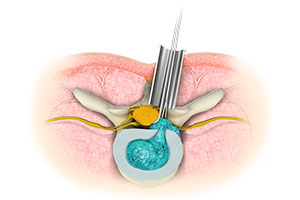
Minimally Invasive Spine Surgery (MISS) is the latest technology available to perform spinal surgeries through small, less than one-inch-long incisions. It involves the use of special surgical instruments, devices and advanced imaging techniques to visualize and perform the surgery through such small incisions.
-
Spine Trauma Surgery
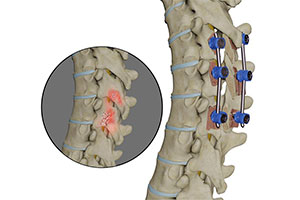
Spine trauma surgery is a specialized surgical intervention performed to stabilize and repair the spine after traumatic injury. These injuries can result from accidents, falls, sports injuries, or violent trauma and may involve fractures, dislocations, ligament tears, or spinal cord damage.
-
Disc Arthroplasty
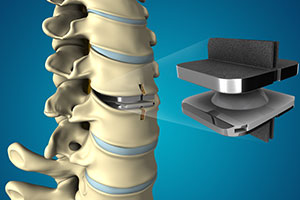
Disc arthroplasty or artificial disc replacement is a spine surgery to replace a degenerated (deteriorated) disc with an artificial disc. The artificial disc is used to replace the degenerated disc to support the vertebrae while still allowing backward and forward bending, side-to-side bending, and turning.
-
Spinal Fusion
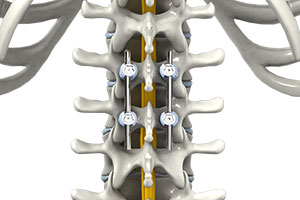
Spinal fusion is the surgical technique of combining two or more vertebrae. A fusion of the vertebrae involves the insertion of secondary bone tissue obtained either from an autograft (tissues from your own body) or allograft (tissues from another person) to enhance the bone healing process.
-
Laminectomy
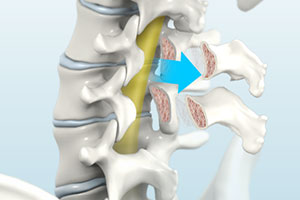
Laminectomy refers to the removal or cutting of the lamina (roof) of the vertebral bones to provide space for the nerves to exit from the spine. It can also be performed to relieve the symptoms of the narrowed spinal canal known as spinal stenosis.
-
Microdiscectomy
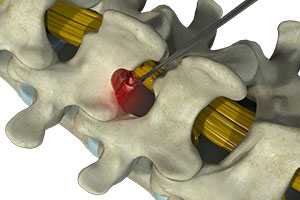
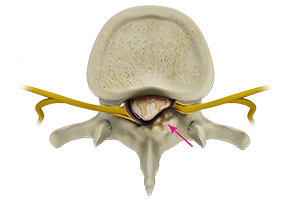
The spine is made up of small bony segments called vertebrae. These vertebrae are categorized into cervical or neck vertebrae, thoracic or upper back vertebrae, lumbar or lower back vertebrae, and the sacrum within the pelvis. A cylindrical bundle of nerve fibers called the spinal cord passes through the entire vertebral column and branches out to the various parts of our body.
-
Revision Spinal Surgery
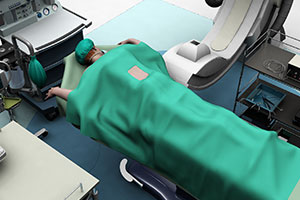
The revision spine surgery is performed in certain conditions such as re-herniation of a disc, infection, pseudoarthrosis, hardware failure, non-surgery related spine degeneration, flat back syndrome, instability, or adjacent segment degeneration.
-
Spinal Tumor Surgery
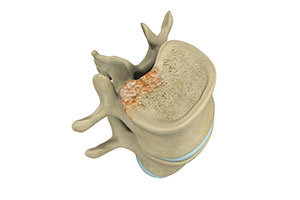
A spinal tumor is an abnormal mass of tissue surrounding or found within your spinal cord and/or spinal column. Treatment for a spine tumor may be nonsurgical or surgical depending on the characteristics of the tumor and your overall health.
-
Spine Surgery
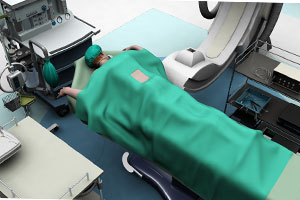
Spine surgery is a surgical procedure to treat conditions of the spine such as structural abnormalities, infections, trauma, tumors, malformations, and degenerative spine conditions like stenosis and herniated discs. Spine surgery can be performed either by open surgery or minimally invasive techniques.
-
Computer-Assisted Spine Surgery
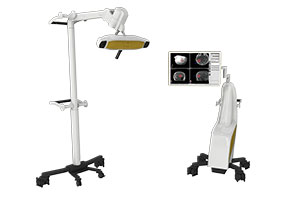
Computer-assisted spine surgery is an instrument tracking technology in which the surgical instruments are viewed with the help of three-dimensional images of the spine. This technology increases the accuracy and safety of the spinal procedures which cannot be achieved with traditional spinal surgical approaches.
-
Artificial Cervical Disc Replacement
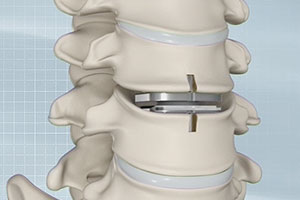
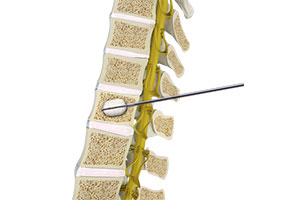
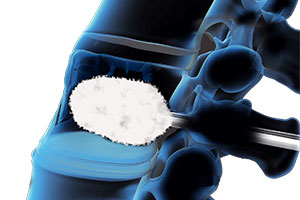
The cervical spine is located in the neck region and consists of seven bones arranged one on top of the other. Cushioning tissue called vertebral discs located between the vertebrae act as shock absorbers, allowing easy movement of the neck. Wear and tear and advancing age can damage these discs, leading to pain and disability.
-
Fractures of the Spine
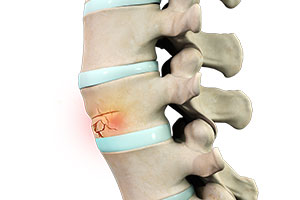
A fracture of the spine is a break in the bone continuity of the spinal vertebrae or vertebral column. The spine extends from the neck to the lower back and consists of the vertebral bones which surround and protect the spinal cord. Damage to the spinal cord or spinal nerves can cause changes in sensation, strength, and other body functions.
-
Spine Trauma
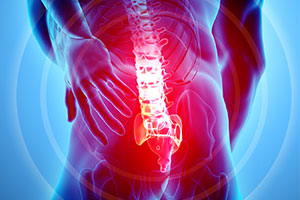
Spine trauma is defined as an injury or damage to any region of the spine. The spine extends from the neck to the lower back and consists of the vertebral bones which surround and protect the spinal cord. Damage to the spinal cord or spinal nerves can cause changes in sensation, strength, and other body functions.
-
Spinal Instability
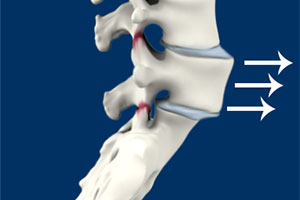
Spinal instability refers to the condition of failure of the spinal column to maintain its normal structure. Normally, the spine functions to protect and provide support to the body and its internal organs. An unstable spine is incapable of holding various spinal structures such as spinal muscles, ligaments, bones, and discs in place.
-
Neck and Back Injuries
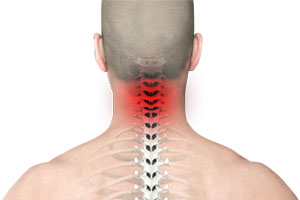
Neck and back injuries usually result from damage to the surrounding structures such as the muscles, bones, or ligaments of the neck and back. They are characterized by pain and discomfort and can sometimes be serious and result in permanent disability.
-
Spondylolysis
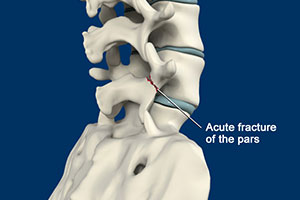
Spondylolysis is a stress fracture in the vertebra that may progress into spondylolisthesis, a condition where the vertebra gets displaced from the spinal column. Spondylolysis is the cause of frequent low back pain in children. It is more common among children and teenagers who participate actively in sports such as football, weightlifting, and gymnastics.
-
Back Pain
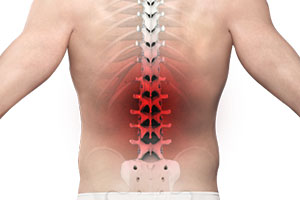
Back pain or backache is the pain felt in the back that may originate from damage to the muscles, nerves, bones, joints or other structures in the spine. Back pain is one of the most common medical problems experienced by most people at some time in their life. It can be acute, usually lasting from a few days to a few weeks, or chronic, lasting for more than three months.
-
Low Back Pain
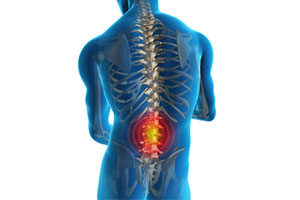
Low back pain is often a common symptom of many disease conditions and the back pain may range from simple or dull pain to sudden and sharp pain. If the pain persists for a few days, it is acute pain whereas if it continues for more than 3 months, it is considered chronic pain.
-
Spinal Tumors
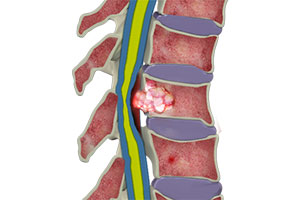
A spine tumor is an abnormal and uncontrolled growth of tissues or cells in and around the spinal cord. Tumors can either be cancerous (malignant) or non-cancerous (benign). Tumors that begin in the spine are called primary spinal tumors.
-
Spine Arthritis
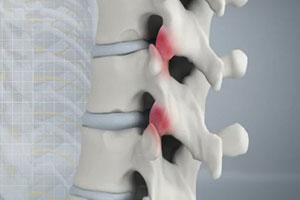
Spine arthritis is a condition characterized by the inflammation, degeneration, or wearing out of cartilage in the joints of the spine. The cartilage in the spine includes the spinal discs between the vertebrae and the cartilage lining the facet joints in the back of the spine. Spinal arthritis can cause pain and stiffness in the back and neck.
-
Degenerative Spinal Conditions
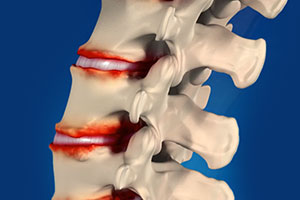
A degenerative condition is a continuous deterioration of a tissue or an organ in your body over time. Degenerative spinal conditions refer to a gradual loss of normal structure and/or function of the spine over time.