

Minimally Invasive Brain Surgery
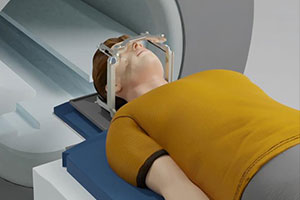
What is Minimally Invasive Brain Surgery?
Minimally Invasive Brain Surgery refers to advanced neurosurgical techniques that treat brain conditions through very small incisions or natural openings, using tools such as endoscopes, lasers, or robotic instruments, thereby minimizing disruption to healthy brain tissue. Compared to traditional open brain surgery, it typically offers less pain, reduced blood loss, shorter hospital stays, faster recovery, and lower complication risks, while maintaining high surgical accuracy and safety.
What are the Common Types of Minimally Invasive Brain Surgery?
Common types of Minimally Invasive Brain Surgery include:
- Endoscopic Brain Surgery – Uses a small camera and instruments through tiny openings to treat tumors, cysts, or hydrocephalus.
- Stereotactic Surgery – Uses 3D imaging and precise coordinates to target deep brain lesions or perform biopsies.
- Keyhole (Microsurgical) Craniotomy – Accesses the brain through a very small skull opening.
- Endovascular Neurosurgery – Treats blood vessel problems (like aneurysms) from inside the vessels using catheters.
- Laser Interstitial Thermal Therapy (LITT) – Uses laser energy to destroy abnormal brain tissue through a small probe.
- Gamma Knife / Stereotactic Radiosurgery – Delivers focused radiation without any surgical incision.
When is Minimally Invasive Brain Surgery Recommended?
Minimally Invasive Brain Surgery is recommended when a brain condition can be safely treated using targeted techniques that minimize damage to surrounding healthy tissue. It is commonly advised for small to moderately sized brain tumors, deep-seated lesions, brain aneurysms, intracranial hemorrhages, hydrocephalus, epilepsy, and certain movement disorders such as Parkinson’s disease.
It is also preferred when patients may benefit from reduced surgical trauma, faster recovery, shorter hospital stays, and lower complication risks, especially in medically fragile or elderly patients. The final decision depends on the condition’s location, size, complexity, and the patient’s overall health.
How Should I Prepare for Minimally Invasive Brain Surgery?
Preparation for Minimally Invasive Brain Surgery typically involves a thorough neurological evaluation, detailed brain imaging (MRI/CT), and routine blood tests. You may be advised to stop certain medications, avoid food and drink before surgery, and follow specific pre-operative instructions. Maintaining good overall health and discussing risks, expectations, and recovery with your neurosurgeon are essential for optimal outcomes.
What Should I Expect During Minimally Invasive Brain Surgery?
During Minimally Invasive Brain Surgery, the procedure is performed under general or local anesthesia, depending on the condition being treated. The surgeon uses small incisions or natural pathways like nasal passages, guided by advanced imaging, endoscopes, or neuronavigation systems, to precisely reach the affected area. The targeted problem is treated while preserving healthy brain tissue, and vital functions are closely monitored throughout the surgery to ensure safety and accuracy.
What Does Postoperative Care and Recovery After Minimally Invasive Brain Surgery Involve?
Postoperative care and recovery after Minimally Invasive Brain Surgery involve close monitoring in the recovery room or ICU, pain and swelling control, and regular neurological assessments. Most patients are encouraged to begin gentle movement early. Follow-up imaging, medications, wound care, and rehabilitation (if needed) help ensure healing, reduce complications, and support a faster, safer recovery.
What are the Risks and Benefits of Minimally Invasive Brain Surgery?
Minimally Invasive Brain Surgery offers several advantages, but like any surgical procedure, it also carries certain risks.
Benefits include smaller incisions, less damage to healthy brain tissue, reduced pain and blood loss, shorter hospital stays, faster recovery, minimal scarring, and a lower risk of complications compared to traditional open surgery.
Risks may include infection, bleeding, injury to surrounding brain structures, neurological deficits (such as weakness or speech changes), cerebrospinal fluid leakage, seizures, or the need for additional procedures.